
"coffee root pests"
200 article(s) found

Common diseases and pests in coffee cultivation and their control methods
It is distributed in all coffee producing areas in the world, and it also occurs in Yunnan, Guangxi and Hainan Island in China. It is one of the major pests of coffee. The coffee tiger longicorn beetle harms the coffee trunk for more than 2 years and begins to eat between the cambium and the xylem.

Common Coffee Tree Diseases and pests and Control methods in Coffee planting
1. Coffee tiger longicorn beetles are distributed in all coffee producing areas in the world, and also occur in Yunnan, Guangxi and Hainan Island in China. It is one of the major pests of coffee. The coffee tiger longicorn beetle harms the coffee trunk for more than 2 years. At first, it eats between the cambium and xylem, and then eats the xylem. The victim was a curved tunnel filled with sawdust, which had a great impact on coffee.

Cultivation techniques of small-grain Coffee in Yunnan Province: pest Control
1. Coffee tiger, longicorn beetle. The coffee tiger longicorn beetle harms the coffee trunk for more than 2 years. At first, it eats between the cambium and xylem, and then eats the xylem. It has a great effect on coffee, the light ones make the plants yellow, withered branches and fruit drop, and the serious ones die of the whole plant. At the initial stage of the damage, there was no obvious hole in the appearance, but only slightly raised in the epidermis of the injured area. Prevention and control methods: strengthening the management of ①

Cultivation techniques of small Coffee in Yunnan Province Pest Control of Coffee trees
1. Coffee tiger, longicorn beetle. The coffee tiger longicorn beetle harms the coffee trunk for more than 2 years. At first, it eats between the cambium and xylem, and then eats the xylem. It has a great effect on coffee, the light ones make the plants yellow, withered branches and fruit drop, and the serious ones die of the whole plant. At the initial stage of the damage, there was no obvious hole in the appearance, but only slightly raised in the epidermis of the injured area. Prevention and control methods: strengthening the management of ①

Control of Diseases and pests in Coffee
(1) Pest control 1. Coffee tiger longicorn beetles are distributed in all coffee producing areas in the world, and also occur in Yunnan, Guangxi and Hainan Island in China. It is one of the major pests of coffee. The coffee tiger longicorn beetle harms the coffee trunk for more than 2 years. At first, it eats between the cambium and xylem, and then eats the xylem. The victim was in a curved tunnel filled with sawdust.
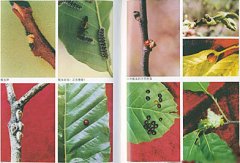
Common Coffee Diseases and pests in Coffee cultivation and Control methods
It is distributed in all coffee producing areas in the world, and it also occurs in Yunnan, Guangxi and Hainan Island in China. It is one of the major pests of coffee. Coffee longicorn beetles, which damage the coffee trunk by larvae for more than 2 years, initially eat between the cambium and xylem, and then eat (1) pest control. 1. Coffee tiger longicorn beetles are distributed in all coffee producing areas in the world. Yunnan, Guangxi and Hainan, China
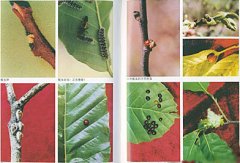
Common Diseases and pests in Coffee cultivation and Prevention and Coffee basic knowledge
(1) Pest control 1. Coffee tiger longicorn beetles are distributed in all coffee producing areas in the world, and also occur in Yunnan, Guangxi and Hainan Island in China. It is one of the major pests of coffee. The coffee tiger longicorn beetle harms the coffee trunk for more than 2 years. At first, it eats between the cambium and xylem, and then eats the xylem. The victim was a curved tunnel filled with sawdust.

Coffee trees are planted! Coffee Tree Killer: the chaos of Diseases and insect pests (pests)
Professional coffee knowledge exchange more coffee bean information Please pay attention to the coffee workshop (Wechat official account cafe_style) diseases and insect pests can destroy the growth of coffee, a serious epidemic may cause heavy economic losses to farmers, but do you know what pests and diseases are the biggest threat to coffee? How to identify these pests and diseases? What causes coffee disease or attracts pests? Coffee

Coffee bark beetle is the most serious pest in Colombia. It also has an impact on the environment.
Professional coffee knowledge exchange more coffee bean information Please pay attention to the coffee workshop (Wechat official account cafe_style) short-bodied nematodes can directly enter the roots of coffee, live in the roots, and invade the alien tissue, and finally cause the death of plants. The mortality rate of robusta infected with short-body nematode is about 40%, while that of Arabica infected with short-body nematode is 100%. Short body line

Coffee beans are classified to the root of only two kinds of Arabica coffee beans if the scented perfume
Professional coffee knowledge exchange more coffee bean information please follow the coffee workshop (Wechat official account cafe_style) front street-coffee bean variety profile Arabica is originally from Ethiopia, its coffee bean production accounts for 70% of the world's production; the world-famous Blue Mountain Coffee, Mocha Coffee and so on, are almost all Arabica species. Coffee trees planted in Arabica are suitable for large temperature differences between day and night.

Coffee planting technology
1. The cultivation of strong coffee seedlings 1. The selection of nursery land is close to water source, convenient for transportation, loam or sandy loam with loose and fertile soil, deep soil layer, good drainage, paddy field with PH value of 66.5 or early nursery land, and close to coffee garden. Turn over 20cm30cm meters to make fire and burn the soil, hoe fine and remove stones, branches and roots before sieving, or use mountain humus, add 8

On Coffee planting Technology
1. The cultivation of strong coffee seedlings 1. The selection of nursery land is close to water source, convenient for transportation, loam or sandy loam with loose and fertile soil, deep soil layer, good drainage, paddy field with PH value of 66.5 or early nursery land, and close to coffee garden. Turn over 20cm30cm meters to make fire and burn the soil, hoe fine and remove stones, branches and roots before sieving, or use mountain humus, add 8

Brief introduction of Coffee knowledge Coffee planting techniques
1. The cultivation of strong coffee seedlings 1. The selection of nursery land is close to water source, convenient for transportation, loam or sandy loam with loose and fertile soil, deep soil layer, good drainage, paddy field with PH value of 66.5 or early nursery land, and close to coffee garden. Turn over 20cm30cm meters to make fire and burn the soil, hoe fine and remove stones, branches and roots before sieving, or use mountain humus, add 8-

Cultivation techniques of High-quality Coffee trees
1. The cultivation of strong coffee seedlings 1. The selection of nursery land is close to water source, convenient for transportation, loam or sandy loam with loose and fertile soil, deep soil layer, good drainage, paddy field with PH value of 66.5 or early nursery land, and close to coffee garden. Turn over 20cm30cm meters to make fire and burn the soil, hoe fine and remove stones, branches and roots before sieving, or use mountain humus, add 8-
Cultivation Techniques of Coffea arabica in Yunnan
Control methods: ① strengthen management, reasonable pruning, appropriate shade. (2) Artificial killing of adults and larvae, timely cutting down and burning of damaged branches. 2. Coffee leopard wood moth. It is widely distributed and is one of the common coffee pests, which can harm a variety of economic crops. The larvae overwinter in the branches, and the larvae often eat upward in the branches, forming a tunnel of 30~60 cm. Prevention methods: ①
Sharing of planting techniques of Coffee trees
1. Cultivate strong coffee seedlings. 1. the choice of nursery land is close to water source, convenient for transportation, loam or sandy loam with loose and fertile soil, deep soil layer and good drainage, paddy field with PH value of 66.5 or early nursery land, and close to coffee garden. Turn over the depth of the ground by 0.200. 30 meters, after hoing and removing stones, the ridge soil moisture is 1.01.2 meters wide. 2 meters, about 10 meters long, and apply rotten and finely crushed soil moisture
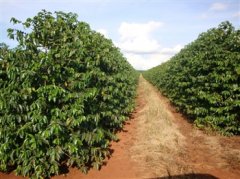
Coffee cultivation techniques for cultivating strong seedlings of Coffee
Coffee cultivation techniques 1, cultivate strong coffee seedlings 1, nursery site selection close to water sources, convenient transportation, loose and fertile soil, deep soil layer, well-drained loam or sandy loam, paddy field with pH 66.5 or early nursery land, and close to coffee garden. Turn over the depth of the ground by 0.200. 30 meters, after hoing and removing stones, the ridge moisture width is 1.01. 2 meters, about 10 meters long, and in the soil moisture

Coffee cultivation techniques General knowledge of Coffee planting
1. Cultivate strong coffee seedlings. 1. the choice of nursery land is close to water source, convenient for transportation, loam or sandy loam with loose and fertile soil, deep soil layer and good drainage, paddy field with PH value of 66.5 or early nursery land, and close to coffee garden. Turn over the depth of the ground by 0.200. 30 meters, after hoing and removing stones, the ridge soil moisture is 1.01.2 meters wide. 2 meters, about 10 meters long, and apply rotten and finely crushed soil moisture

Cultivation techniques of small Coffee knowledge of Coffee planting
Prevention and treatment methods: ① strengthen management, reasonable pruning, appropriate shade. ② artificially killed adults and larvae, cut off the damaged branches and burned them in time. two。 Coffee leopard bark moth. It is widely distributed and is one of the common coffee pests, which can harm a variety of cash crops. The larvae overwintered in the branches, and the larvae often ate upward in the branches, forming a tunnel of 30cm to 60cm. Prevention and control methods: